A life worth keeping · HELLOYEARS BLOG
Your life doesn’t have to be extraordinary to be worth a book.
The first job. The house everyone remembers. The small decisions that changed the way you lived. There is a book in those things, too.
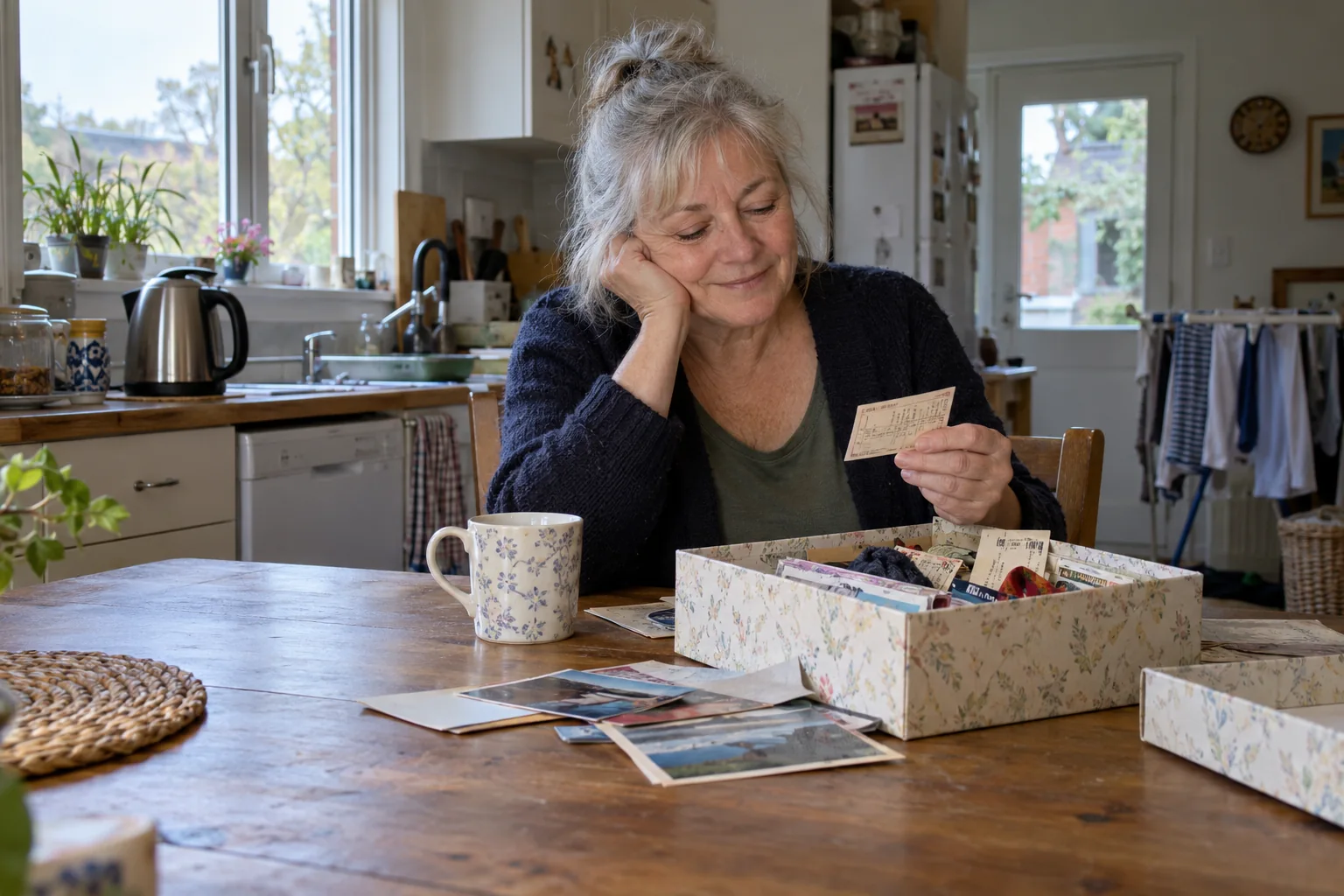
“I haven’t done anything interesting.”
A memoir can sound like something reserved for someone famous. An explorer, perhaps. A person whose life already has a film adaptation.
So when a family suggests making a book, the answer might be: “What would I put in it?”
Quite a lot, probably. The place you grew up. The first time you earned your own money. A friendship that lasted longer than either of you expected. The way you learned to make a home.
You do not need a remarkable career to have a story someone will want to read. To the people who know you, the ordinary parts may be the most interesting ones.
The details you barely notice
Think about a childhood kitchen. You may remember the table before you remember its address. Perhaps there was a seat nobody else took, a meal that appeared every Sunday, or a radio that was always on.
Those details often seem too small to write down. Yet they are exactly the things another generation cannot discover by looking up a date or a family name.
A photograph may show the room. Your story can explain what it felt like to live there, who made everyone laugh, and why you still cook something a particular way.
An ordinary memory becomes worth keeping because of what it meant to you.
A place for the life between milestones
A timeline can tell us when someone left school, married or moved. A memoir has room for the years between those events.
What was the first working week like? Who helped when money was tight? What did you change your mind about as you got older?
There does not have to be a lesson at the end of every chapter. An amusing incident can stay amusing. A difficult period can remain complicated. You can say you are unsure of a date rather than making one up.
The book should leave room for the person you actually are.
You can make it for yourself
A memoir does not have to begin as a gift to someone else. You might simply want your experiences in one place.
Talking through a memory can bring another one to mind. As the material comes together, you may notice connections between choices you made years apart. Or you may find that one short chapter is the piece you most wanted to keep.
You choose which parts belong in the book. There is no obligation to explain every relationship or share every private experience. A shorter memoir is welcome; you do not need to fill 200 pages.
Begin with something you can talk about
You do not need an outline before you begin with HelloYears. Our AI interviewer handles the questions and follow-ups, giving you a place to start and helping you stay with the memories you want to share.
You can answer in your own words, skip a question, correct a detail or return for another session while you are collecting your stories. You are gathering material, not trying to write a polished chapter on the spot.
Later, our editors organise the stories and photographs into a book. You review the complete print preview before it goes to the printer.
For a first conversation, an ordinary memory is enough. It already belongs to you.